Sloppy Copies
Updated:
Discussion on lobste.rs Discussion on Hacker News
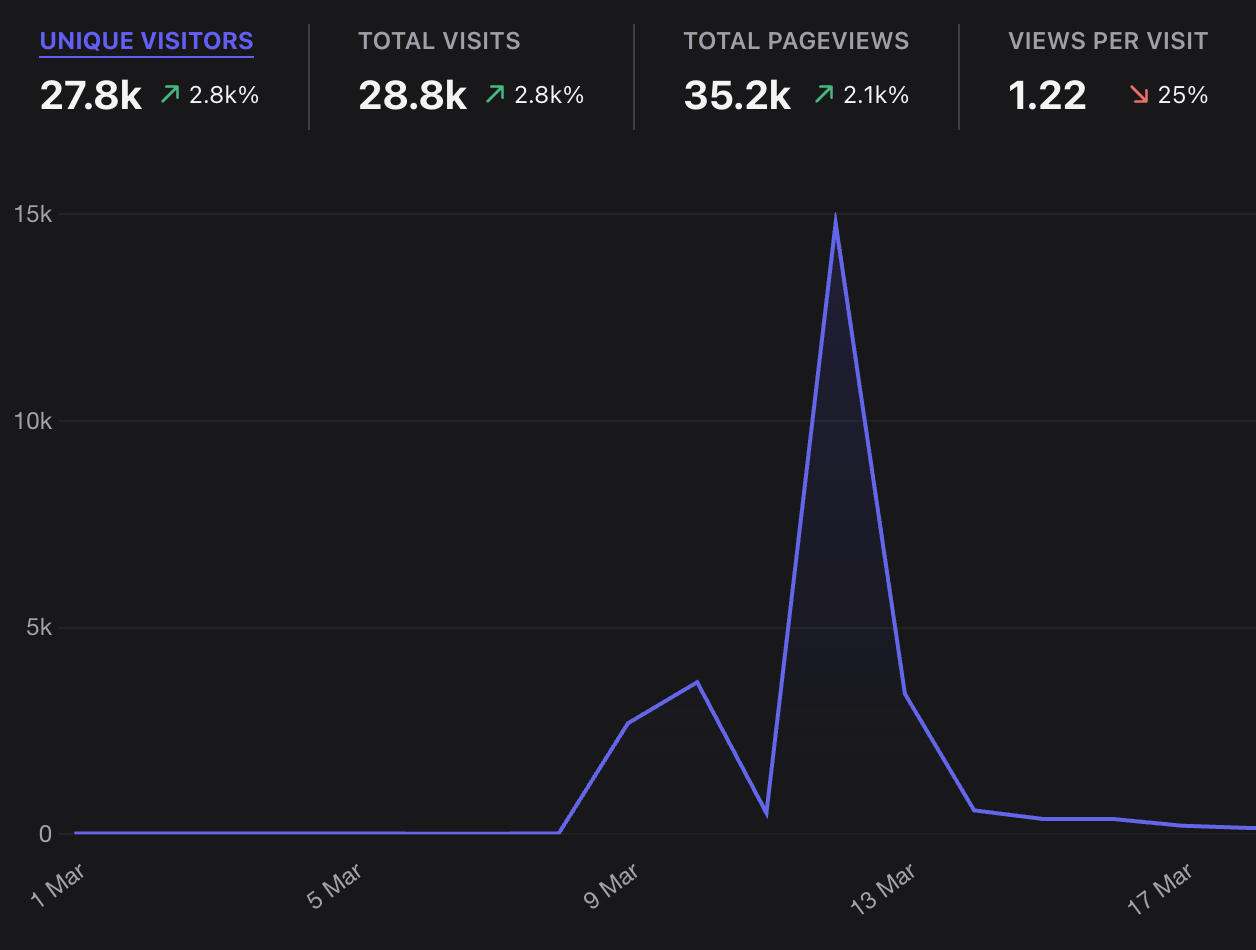
I wrote it off as a new form of the regular Internet background noise, and carried on working on the site in the evenings; Life moved on. Then a few days ago, I discovered something that really threw me for a loop - I found what seems to be a bunch of almost literal scammy copies of my app.
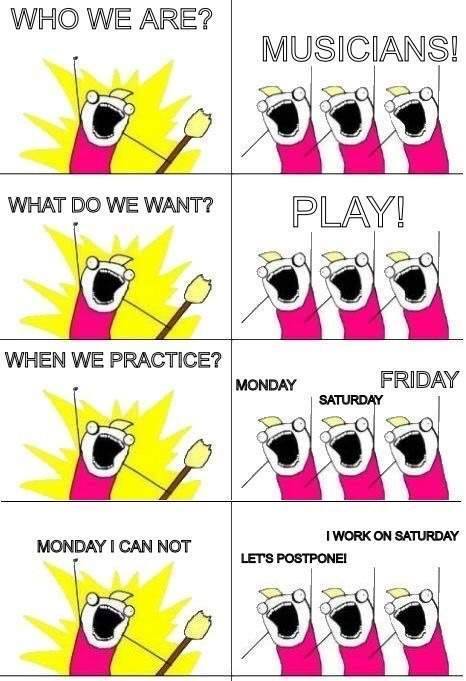
rails new setlist. And they’re worth checking out ² - I’m most likely never going to add a mobile app for example, as I just don’t have the time or interest for mobile development. I simply created my spin on the concept to suit my band’s (check us out!) particular workflow, and also because I’m a massive geek and enjoy writing code for much the same reason as I enjoy making music. ³
But this looks like something else entirely: I found sites that were near-enough clones of my specific take on the concept, seemed to follow my proposed workflows identically and had domain names registered or updated a week or so after my article got picked up by Hacker News. Some of them only had splash pages, others appeared to have a basic working application behind it, just with ads or subscription model tacked on. I get that with the rise of AI tooling, suddenly anyone with an idea can quickly churn out something that kinda works with very little effort and the AI tooling is only getting better. And I’m not “gatekeeping” or trying to dissuade anyone else from having fun and building something similar ⁴.
But these were way too close for it to be an accident - even the dozens of apps recently flooding the scene seem to have an actual person with genuine intent doing the driving with their own take on how things should work, or offer some expanded feature-set that I don’t (and most likely won’t) include.
I’m not going to link to these “Sloppy Copies” here, not least because some of them looked sketchy as hell, and there’s no way I’d trust them with actual login or credit card details. But a quick glance at their landing pages (which is sometimes all they appeared to be) - full of stock images, suspicious user testimonials that have a strong AI smell to them, or even screenshots stolen from other apps and literal placeholder content that hasn’t been updated yet - set off the spidey sense.
I checked around in a few of these circles, and apparently the problem is endemic everywhere. Developers had seen their products copied, sometimes only a splash or “sign up” page, but more frequently now an apparently working application. Entire personal blogs had been cloned - and I saw several “Sloppy Copy Bots” parroting my own personal background and history. The author of a launch platform even confirmed that he’d had cookie-cutter clones of his own site submitted back to him! In some of these communities, the flood of copy-cat apps made it impossible to work out what the original was at all.
Update - This is happening everywhere now. The first high-profile Sloppy Copy I saw discussed was the unauthorized clone of Nodepad++. Vibe-coded application, similar domain name registered, even the original author’s photo and biography were used to give the clone credibility. And it’s not just open source that is getting targetted - even commercial software is not apparently out of bounds for the “slopsmiths”. See this Hacker News story - the linked screenshots are particularly damning - looks like again a near 1:1 copy of an existing site vibe-coded (from the comments: “The screenshots clearly show they copied whole pages verbatim, both design and texts…It might not be enough to get sued. That doesn’t make it right.”)
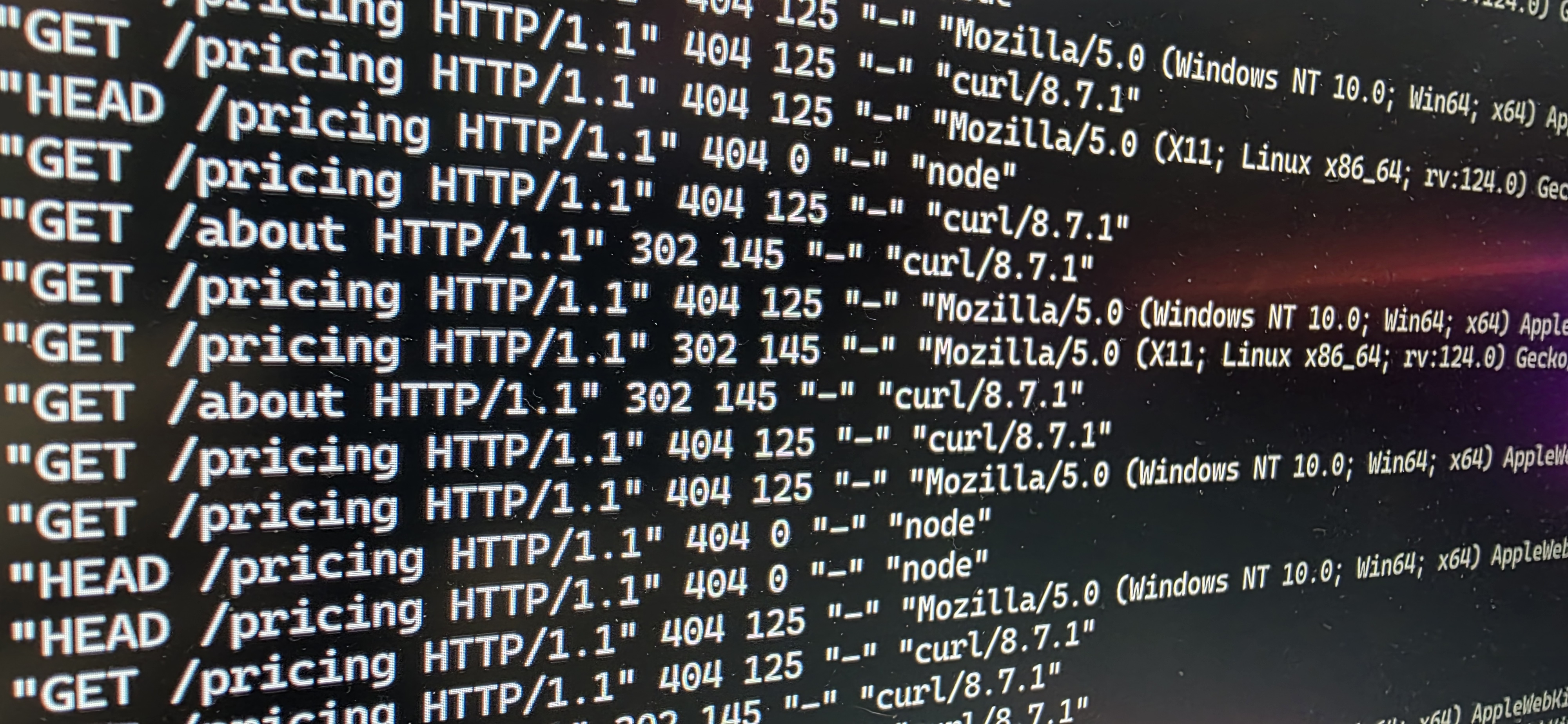
I suppose a simple prompt is so simple to implement that there’s next to zero “barrier to entry” for any chosen target market now. Something like:
- Crawl XXX site
- Find implementation details from URLS such as /about, /getting-started and so on
- Discover pricing structure and tiers if any
- Create a clone in language X with as few external service dependencies as possible
- Add the following 3 ad networks to the site
- Spam it on popular social media services
- I feel dirty even writing this, you get the idea... :(
I also don’t really know what the solution is. I know some will point to technical solutions like Anubis, but if you really wanted it’s pretty trivial to work around that - just visit the target site in a browser, save any content you want as a PDF and ingest that into your AI clone factory. In fact, I imagine you could probably knock something up pretty easily using a headless browsing session.
Whatever, I dunno - it’s just all kinda depressing and very “late-stage capitalism” where it looks like any idea someone may have, or anything created for pleasure can be instantly cloned, packaged, corrupted and have a price tag stamped on it by a literal machine.
Sometimes, I really miss the old web.
Footnotes
¹ = See my projects page for more details.
² = If you run one (and aren’t a bot - give me a recipe for a cheesecake!), let me know and I’ll happily link to you. I even make it easy - users can export all their data at any point from my app, so it’s easy to switch.
³ = I’m very fortunate that I have a day job I love and can also make music on my own terms. I want the same for any project I create - it should be a labour of love and not an obligation. Also, as you may tell from a casual perusal of this website, I am - like many other creators I would guess - on the autistic spectrum. Having “unusually intense” hobbies was one of the first hallmarks that helped me get diagnosed as an adult and in recent years I’ve learned to embrace it. One of the things that I seem to gravitate towards is building things that bring communities together - whether that’s musicians, networking geeks, or old 8-bit retro-computing enthusiasts. In a weird way, these projects help me form connections and share a little of myself that I find difficult in “The Real World”.
⁴ = Of course, they’ll struggle as the project gets larger or requires deeper technical knowledge but then many don’t get to that stage. And the AI tooling is only getting better at handling these challenges - although I do worry what this means for the next generation of web apps if we start to think of “being a developer” as just clicking an “Accept All Changes” button blindly.
⁵ = Side note, it’s really nice to see that outside the social media mainstream, there is still a lively community of long-running independant community bulletin board-based sites that have been going for decades now. Takes me right back!
The opinions and views expressed on this website are my own and do not necessarily reflect the views of my employer, past or present.